
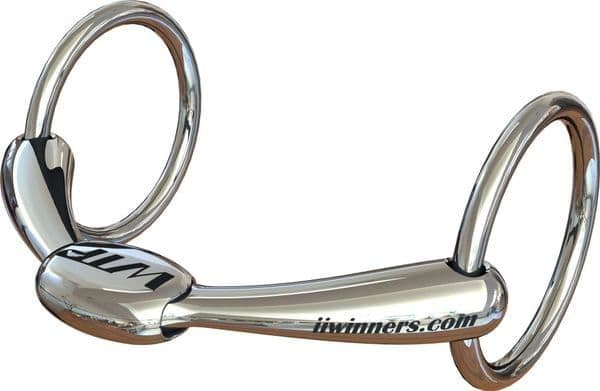
Winning Tongue Plate (WTP) Horse Bits
Lightweight Stainless Steel Bits Designed for Comfort, Communication & Performance
The Winning Tongue Plate (WTP) range of lightweight stainless steel horse bits has been developed to improve comfort, reduce tongue pressure, and support clearer communication between horse and rider. Suitable for a wide variety of ridden disciplines, WTP bits are highly regarded by riders, trainers, and bitting consultants for both training and competition use where permitted under current rules including FEI, British Dressage, and British Showjumping regulations.
What Makes Winning Tongue Plate Bits Different?
Traditional horse bits often create concentrated pressure over sensitive areas of the mouth, particularly the tongue, bars, cheeks, and lips. The Winning Tongue Plate design was engineered specifically to reduce discomfort whilst maintaining effective communication and control.
The defining feature of the WTP design is its wide tongue plate, which distributes rein pressure across a larger surface area. Under engineering analysis, this design has been shown to reduce tongue pressure by up to 85% compared to conventional jointed bit designs.
Unlike many traditional snaffles, WTP bits are designed to minimise the “nutcracker action” that can create discomfort on the bars of the mouth and pinch the tongue or lips.
Key Features of the Winning Tongue Plate Design
Wide Tongue Plate for Reduced Tongue Pressure
The broad central plate spreads rein pressure evenly across the tongue, helping sensitive horses remain softer, quieter, and more accepting of the contact.
This design can be particularly beneficial for horses that:
- Put their tongue over the bit
- Push the tongue out of the mouth
- Show signs of a busy or resistant mouth
- Become tense or defensive in the contact
- React negatively to concentrated tongue pressure
Reduced Nutcracker Action
The limited arm travel within the bit design helps reduce excessive closure and movement often associated with traditional single-jointed snaffles.
Benefits include:
- Less pressure on the bars of the mouth
- Reduced cheek and lip compression
- Improved comfort during rein contact
- Smoother communication between rider and horse
Angled Geometry for Improved Oral Comfort
The geometry of the WTP bit is designed to:
- Prevent excessive contact with the roof of the mouth
- Reduce pressure on sensitive oral structures
- Help minimise the risk of soft palate interference
- Encourage a more stable and confident mouth position
This creates a more consistent and reassuring feel for the horse during ridden work.
Why Tongue Comfort Matters in Horse Performance
Many horses naturally use the tongue as a protective cushion between the bit and the bars of the mouth. When discomfort occurs, horses often develop avoidance behaviours such as:
- Drawing the tongue backwards
- Putting the tongue over the bit
- Opening the mouth
- Becoming tense through the neck and jaw
- Backing off the contact
For performance horses, especially in disciplines involving speed and endurance, tongue position can also affect airflow and oxygen intake.
Ideal Horse Bit for Performance Disciplines
Winning Tongue Plate bits are particularly popular for:
- Eventing
- Showjumping
- Racing
- Endurance riding
- Polo
- Hunting
- General performance riding
By encouraging the tongue to remain in a more natural position beneath the bit, the horse is able to stay more relaxed and comfortable whilst maintaining better airflow during exercise.
The Importance of Horse Confidence in the Bit
Successful bitting is not simply about control — it is about confidence, comfort, and communication.
A horse that anticipates discomfort from the bit may:
- Become anxious or defensive
- Develop evasions
- Tighten through the neck and back
- Produce inconsistent movement
- Resist the rider’s hand
The correct bit should encourage the horse to seek the contact confidently rather than avoid it.
Factors influencing bit acceptance include:
- Rider hand stability
- Bit sizing and fit
- Mouth conformation
- Schooling and education
- Overall riding balance and seat
Even the most advanced bit design must suit the individual horse.
The Philosophy Behind Better Bitting
Effective bitting is rarely about increasing severity. In most cases, improved comfort leads to:
- Better relaxation
- Improved communication
- Softer rein contact
- Increased willingness
- Greater rideability
When horses feel secure and comfortable in the contact, they often begin to:
- Soften through the neck
- Swing more freely through the shoulder
- Engage the hind leg more effectively
- Lift through the back
- Develop improved self-carriage
This creates a positive cycle where both horse and rider become softer, more relaxed, and more effective together.
Benefits of Winning Tongue Plate Horse Bits
Key Advantages
- Lightweight stainless steel construction
- Reduced tongue pressure
- Minimal nutcracker action
- Improved comfort across the tongue and bars
- Encourages softer, quieter mouths
- Helps reduce tongue evasions
- Supports relaxation and confidence
- Suitable for sensitive horses
- Designed for training and competition use where permitted
Choosing the Right Horse Bit
Every horse responds differently to bit pressure depending on:
- Mouth anatomy
- Tongue size and thickness
- Previous bitting history
- Rider contact
- Discipline requirements
Careful observation is essential when changing bits. Allow time for the horse to adapt to the new pressure distribution and monitor improvements in:
- Contact acceptance
- Relaxation
- Straightness
- Consistency
- Movement quality
A well-chosen bit should help the horse become more comfortable, confident, and willing in its work.
Explore the Winning Tongue Plate Range
The Winning Tongue Plate collection offers a unique approach to horse comfort by combining thoughtful engineering with practical ridden performance. By prioritising comfort over force, WTP bits help create softer communication, improved confidence, and a better overall way of going.
Browse the full range of Winning Tongue Plate horse bits to find the ideal solution for your horse’s individual needs.