
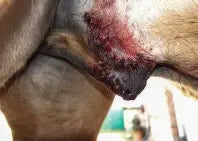
Equine Sarcoids: Treatment, Management, and the Importance of Gut Health
Equine sarcoids are the most common skin tumours in horses. Although they are non-metastatic and do not usually spread internally, they can be locally aggressive, recurrent and difficult to manage. Successful treatment often requires more than simply removing the lesion itself. Increasingly, attention is being given to the horse's immune function, digestive health, hindgut microflora and nutritional status as part of a comprehensive sarcoid management programme.
While diet alone will not cure sarcoids, maintaining a healthy hindgut environment and supporting immune resilience may help improve the horse's ability to cope with chronic inflammatory conditions and aid recovery following veterinary treatment.
What Are Equine Sarcoids?
Equine sarcoids are fibroblastic skin tumours associated with bovine papillomavirus (BPV). The virus is believed to enter through damaged skin, wounds or areas of irritation. Not all horses exposed to BPV develop sarcoids, suggesting that genetics, immune competence, stress, and environmental factors all play important roles.
Sarcoids may occur anywhere on the body but are commonly found around the:
- Eyes
- Ears
- Chest
- Groin
- Legs
- Sheath
- Girth area
- Sites of previous wounds or trauma
Types of Equine Sarcoids
Sarcoids vary considerably in appearance and behaviour.
Occult Sarcoids
Flat, hairless, scaly lesions often mistaken for rub marks or ringworm.
Verrucose Sarcoids
Dry, warty, crusted lesions.
Nodular Sarcoids
Firm lumps beneath the skin.
Fibroblastic Sarcoids
Fleshy, ulcerated, rapidly growing masses that may bleed easily.
Mixed Sarcoids
Combinations of several sarcoid types.
Malevolent Sarcoids
Rare, invasive forms that spread aggressively through tissue planes.
Veterinary Treatment Options
No single treatment is universally successful. Treatment depends on the type, location, size and previous intervention history of the lesion.
Surgical Excision
Surgical removal may be effective for selected nodular lesions, although recurrence can occur if tumour cells remain.
Cryotherapy
Cryotherapy using liquid nitrogen is often used for smaller lesions or following surgical debulking.
Laser Surgery
Laser excision can improve precision and reduce bleeding.
Topical Chemotherapy
Veterinary-prescribed cytotoxic creams are commonly used for sarcoids. These stimulate local tissue destruction and immune response, but may cause temporary inflammation, swelling and discomfort.
Immunotherapy
Immune-based treatments aim to stimulate the horse's immune system to recognise and attack tumour tissue.
Ligature or Banding Techniques
Certain pedunculated nodular sarcoids may respond to ligation under veterinary supervision.
The Importance of Immune Function
One of the most important observations in equine sarcoid disease is that not all horses exposed to papillomavirus develop tumours. This strongly suggests that immune competence plays a major role in disease susceptibility and progression.
Factors that may impair immune efficiency include:
- Chronic stress
- Poor nutrition
- High-sugar diets
- Inflammatory digestive disease
- Mineral deficiencies
- Chronic parasite burden
- Poor forage intake
- Gastrointestinal imbalance
Supporting the horse's immune system is therefore an important component of long-term sarcoid management.
Gut Microflora and Hindgut Health
The equine hindgut contains a complex microbial population responsible for fermenting fibre and producing nutrients essential for digestive and metabolic health.
Healthy hindgut microflora contributes to:
- Efficient fibre digestion
- Stable digestive function
- Reduced inflammatory stress
- Improved nutrient absorption
- Balanced immune regulation
- Better skin and coat condition
Disruption of microbial balance may negatively affect systemic inflammation and immune resilience.
Hindgut Dysfunction and Inflammatory Stress
Modern feeding practices can disrupt the hindgut environment. Excess starch and sugar entering the hindgut may alter microbial populations and increase acidity, contributing to digestive stress and inflammation.
Common contributing factors include:
- High-cereal diets
- Excess starch and sugar
- Low forage intake
- Sudden dietary changes
- Stress
- Intensive stabling
- Prolonged antibiotic use
Although direct research linking hindgut dysfunction specifically to sarcoid formation remains limited, maintaining digestive stability is widely considered beneficial for horses with chronic inflammatory and immune-mediated conditions.
The Importance of a High-Fibre Diet
Horses are natural forage-based herbivores designed to consume fibre continuously throughout the day. A high-fibre feeding programme helps maintain hindgut microbial diversity and digestive stability.
Key Dietary Principles
Ad-lib Forage
Provide continuous access to:
- Good-quality hay
- Haylage where appropriate
- Grazing if tolerated
Reduce Starch and Sugar
Limit:
- Cereals
- Sweet feeds
- Molassed concentrates
Excess starch can pass into the hindgut and disrupt microbial balance.
Use Fibre-Based Energy Sources
Safer calorie sources include:
- Beet pulp
- Alfalfa/lucerne
- Chopped forage
- Oil supplementation where needed
Maintain Feeding Consistency
Sudden feed changes should be avoided wherever possible.
Supporting the Hindgut Microbiome
Yeast and Probiotic Support
Live yeast and probiotic supplements may help support:
- Fibre fermentation
- Hindgut pH stability
- Digestive efficiency
- Microbial balance during stress
Commonly used ingredients include:
- Saccharomyces cerevisiae
- Lactobacillus species
Prebiotic Support
Prebiotics provide nutrients for beneficial bacteria and may help maintain microbial diversity.
Examples include:
- MOS (mannan oligosaccharides)
- FOS (fructooligosaccharides)
Nutritional Support for Skin and Immune Health
Several nutrients and supplements are important for tissue repair and immune regulation.
Zinc
Supports skin integrity and immune responses.
Copper
Important for connective tissue and healing.
Selenium and Vitamin E
Provide antioxidant support and help reduce oxidative stress.
Omega-3 Fatty Acids
May help regulate inflammatory pathways.
Useful sources include:
- Micronised linseed
- Stabilised flax products
Stress Management and Environmental Support
Stress can negatively affect both immune function and hindgut stability.
Supportive management strategies include:
- Regular turnout
- Social interaction
- Consistent routines
- Minimising unnecessary stress
- Appropriate parasite control
- Effective fly management
Because sarcoids frequently occur at sites of irritation or trauma, careful wound management and correct tack fitting are also important.
Integrated Sarcoid Management
The most successful long-term approach to equine sarcoids often combines:
- Veterinary-directed lesion treatment
- High-fibre nutrition
- Hindgut support
- Immune support
- Stress reduction
- Careful environmental management
This whole-horse approach aims not only to treat the visible lesion but also to support the horse's overall resilience and long-term health.
Prognosis
Sarcoids are unpredictable. Some remain stable for years, while others become invasive and recurrent. Early intervention, appropriate veterinary treatment and good overall health management can significantly improve outcomes.
Although recurrence remains common, many horses can be managed successfully long term with a combination of targeted treatment and supportive care.
Conclusion
Equine sarcoids are complex skin tumours influenced by viral infection, immune function, inflammation and environmental stressors. While direct veterinary treatment remains essential, supporting hindgut health, maintaining healthy gut microflora and feeding a high-fibre, forage-based diet may contribute positively to immune regulation and overall wellbeing.
A comprehensive management programme focused on digestive health, nutritional balance, stress reduction and veterinary care offers the best opportunity for long-term sarcoid control and improved quality of life in affected horses.