
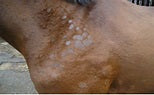
Equine Ringworm: Treatment, Prevention and Coping with a Contagious Infection
Equine ringworm is one of the most common contagious skin conditions affecting horses. Despite its name, ringworm is not caused by worms. It is a fungal infection that affects the skin and hair, creating circular patches of hair loss and irritation.
Although ringworm is rarely life-threatening, it can spread rapidly through yards, riding schools and competition environments if not managed carefully. Understanding how the disease spreads, how to treat it effectively and how to minimise contamination is essential for every horse owner, groom and yard manager.
What Is Equine Ringworm?
Ringworm is caused by dermatophyte fungi, most commonly species of Trichophyton and Microsporum. These fungi feed on keratin, which is found in the horse's hair and outer skin layers.
The infection thrives in warm, damp conditions and spreads easily where horses are housed closely together. Young horses, stressed horses, and those with weakened immune systems are often more susceptible.
Although ringworm can occur at any time of year, outbreaks are especially common during autumn and winter, when horses spend more time indoors and are more likely to share grooming equipment, tack, rugs and stable environments.
Recognising the Signs
Ringworm lesions usually begin as small, raised tufts of hair. As the infection progresses, the hairs break off, leaving circular bald patches with grey, flaky or crusty skin.
Commonly affected areas include:
- the saddle and girth regions
- the face and neck
- the shoulders
- around the bridle path
- areas beneath rugs or tack
The lesions may or may not be itchy. Some horses show only mild signs, whilst others develop widespread patches across the body.
As several skin conditions can resemble ringworm, veterinary diagnosis is recommended, particularly during outbreaks.
How Ringworm Spreads
Ringworm is highly contagious. Fungal spores can survive in the environment for many months and spread through both direct and indirect contact.
Common transmission routes include:
- horse-to-horse contact
- shared grooming kits
- saddle cloths and rugs
- tack and bridles
- stable walls and fencing
- human handling
Importantly, ringworm is zoonotic, meaning humans can catch it from infected horses. People handling affected animals may develop circular red skin lesions, particularly on the hands or arms.
Veterinary Diagnosis
A veterinarian may suspect ringworm based on its appearance; however, confirmation often involves:
- fungal culture
- microscopic examination of hairs
- skin scrapings
- Wood's lamp examination, in some cases
An accurate diagnosis helps distinguish ringworm from other conditions, such as rain scald, lice infestations, allergic reactions or bacterial skin infections.
Treatment of Equine Ringworm
Most healthy horses eventually recover without treatment; however, appropriate therapy significantly shortens recovery time and reduces the risk of spreading the infection throughout the yard.
Topical Antifungal Treatment
Treatment usually involves antifungal washes or creams. Common veterinary-recommended ingredients include:
- enilconazole
- miconazole
- chlorhexidine-based combinations
- lime sulphur solutions
Affected areas should be gently cleaned to remove crusts before treatment is applied. Clipping the surrounding hair may help expose lesions and improve treatment effectiveness, although care must be taken not to spread fungal spores further.
Treatments are generally repeated several times over a period of two to three weeks.
Environmental Decontamination
Treating the horse alone is not enough. Thorough environmental cleaning is essential.
Items requiring careful disinfection include:
- brushes and grooming equipment
- saddle cloths
- rugs and bandages
- tack and bridles
- stable doors and partitions
- buckets and feed bins
Disinfectants proven effective against fungal spores should be used according to the manufacturer's instructions.
Washing fabrics at high temperatures can also help destroy spores.
Isolation Procedures
Infected horses should ideally be isolated until lesions have healed and new hair growth is visible.
Recommended precautions include:
- using separate grooming equipment
- assigning dedicated handlers where possible
- wearing gloves and protective clothing
- washing hands thoroughly after contact
- restricting movement between infected and healthy horses
Yards experiencing outbreaks often benefit from strict biosecurity measures to prevent further spread.
Recovery Time
With treatment, most horses show improvement within two to four weeks, although complete hair regrowth may take longer.
Without treatment, infections can persist for several months.
Even after visible healing, fungal spores may remain in the environment, so continued hygiene measures are important.
Coping with the Contagious Nature of Ringworm
One of the greatest challenges associated with ringworm is its impact on daily yard management.
Managing Yard Outbreaks
When several horses are affected, organisation becomes essential.
Helpful management strategies include:
- creating separate infected and non-infected areas
- colour-coding grooming equipment
- disinfecting shared surfaces daily
- limiting unnecessary horse movement
- monitoring all horses for early lesions
Keeping clear records of affected horses and treatment dates can also help contain outbreaks more efficiently.
Competitions and Transport
Many competition venues will not permit horses with active ringworm lesions because of the risk of transmission.
Owners should avoid transporting infected horses or sharing equipment whilst the infection remains active.
Open communication with trainers, transport providers and event organisers helps protect the wider equestrian community.
Protecting Human Handlers
As humans can contract ringworm, good personal hygiene is extremely important.
Recommended precautions include:
- wearing gloves
- washing hands thoroughly
- avoiding direct contact with lesions
- laundering clothing after handling infected horses
Anyone developing suspicious skin lesions should seek medical advice promptly.
Preventing Future Infections
Good stable management and horse care significantly reduces the risk of future outbreaks.
Preventive measures include:
- regular cleaning of shared equipment
- avoiding overcrowding
- maintaining good ventilation
- quarantining new arrivals
- supporting overall health and immune function with quality feed supplements
Routine inspection of horses' skin and coat condition can help identify problems before they spread throughout the yard.
Final Thoughts
Equine ringworm is frustrating, highly contagious and capable of disrupting even the best-managed yards. However, with prompt identification, consistent treatment and rigorous hygiene measures, most cases resolve successfully.
The key to controlling ringworm lies not only in treating visible lesions, but also in managing the environment and preventing transmission between horses and humans. Vigilance, patience and good biosecurity practices remain the most effective tools for limiting outbreaks and protecting equine health.