
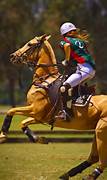
The Equestrian Horse Rider: Why the Relationship Between Horse and Rider Matters
Being an equestrian horse rider is about far more than simply sitting on a horse and controlling its direction. Good riding is built around communication, balance and an understanding of how the horse and rider work together.
Whether you ride for competition, leisure, hacking, hunting, dressage, show jumping, eventing or simply enjoy spending time with your horse, the relationship between horse and rider is fundamental to both performance and comfort.
The Horse and Rider Partnership
A horse responds to a combination of the rider's position, weight distribution, leg, seat and rein aids. Even relatively small changes in the rider's balance can influence how the horse moves.
For the equestrian rider, developing an independent and balanced position is therefore an important part of riding effectively. The rider needs to be able to communicate with the horse without unnecessarily interfering with its movement.
This is where the equipment used by the rider becomes important.
Why Saddle Fit Matters to the Horse Rider
The saddle sits between the horse and rider, making it one of the most important pieces of equipment in the partnership.
A correctly fitted saddle needs to accommodate the horse's individual conformation while also providing the rider with an appropriate and balanced position. These two requirements cannot realistically be considered separately.
A saddle may appear suitable for the horse when viewed from the ground, but if it places the rider in an inappropriate position, the overall result may not be satisfactory. Equally, a saddle that feels comfortable to the rider may not provide the horse with an appropriate fit or adequate freedom of movement.
The saddle therefore needs to be considered as part of the horse and rider combination, rather than as an isolated piece of equipment.
Horses Change — and So Does Saddle Fit
One of the common misconceptions about saddle fitting is that once a saddle has been fitted, it will remain suitable indefinitely.
Horses are living, changing animals. Their shape can alter as their condition changes, through seasonal variations, changes in workload, muscle development and changes in management.
An equestrian horse rider may therefore find that a saddle that fitted appropriately several months ago requires reassessment today.
This is one reason why regular professional saddle checks are recommended. Identifying changes in saddle fit early can help prevent a relatively straightforward adjustment from becoming a much larger problem.
The Rider's Position
The rider also changes over time.
A developing rider may improve their balance, leg position and core stability through training. A younger rider may grow significantly, while an adult rider may change their riding requirements as their experience develops.
Different disciplines also require different positions.
A dressage rider may require a saddle that supports a longer, more vertical leg position, while a show jumper may need greater freedom through the hip and knee. An event rider may need a saddle capable of accommodating different phases of the sport.
This means that selecting a saddle should involve consideration of both horse conformation and rider requirements.
Choosing Equestrian Equipment
The same principle applies to other equestrian equipment. Riding hats, boots, bridles, bits, stirrups and riding clothing all need to be appropriate for the individual rider and the activity being undertaken.
Equipment should not simply be selected because it looks suitable or because another rider uses the same product.
The right equipment should perform its intended function while allowing the horse and rider to work together effectively.
Becoming a Better Horse Rider
Becoming a better equestrian rider is not simply about riding more frequently. Developing an understanding of the horse, learning how equipment affects the partnership and becoming aware of your own position can all contribute to improvement.
A good rider continually evaluates the partnership:
-
Is the horse comfortable?
-
Is the rider balanced?
-
Is the equipment appropriate?
-
Can the horse move freely?
-
Is communication clear?
-
Is the saddle helping or hindering the rider's position?
-
Has the horse's shape changed?
-
Has the rider's own position or requirements changed?
These questions are relevant whether you are an experienced competition rider or someone who simply enjoys riding at weekends.
Horse and Rider Working Together
Ultimately, successful equestrianism is about creating a partnership in which both horse and rider can work comfortably and effectively.
The saddle is only one part of that relationship, but it is an important one because it connects the rider directly to the horse.
For the equestrian horse rider, understanding this relationship can lead to better equipment choices, improved riding technique and, most importantly, a more comfortable and productive partnership with the horse.