
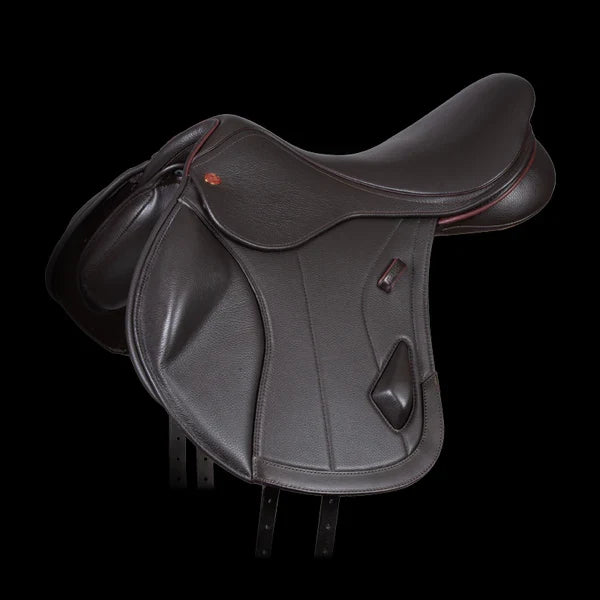
Seasonal Weight Changes, Workload and Saddle Fit
Horses rarely stay the same shape throughout the year, and seasonal changes in grass, forage, weather, workload, and body condition can all affect saddle fit. For anyone involved in equestrian riding, these changes are particularly important to consider because the horse’s back can change shape for several different reasons.
This year's hot weather has also significantly affected equestrian riding, particularly the number of hours spent in the saddle. With temperatures making riding increasingly difficult and uncomfortable for both horse and rider, many owners have understandably reduced their usual workload. This reduction in work can have an effect on the horse’s topline and core strength, which in turn can alter the shape and profile of the back.
It is not simply a case of a horse gaining or losing weight. The right type of work can significantly affect the topline, core strength, and muscle development, gradually changing the profile of the horse’s back. As a horse becomes stronger through the back and core, the shape and width of the muscle around the wither, shoulder and ribcage can develop, potentially changing how the saddle sits and distributes pressure.
Equally, a reduction in work can result in a loss of muscle and topline, even if the horse’s overall body weight has remained relatively stable. This means that a horse can appear to be the same weight while actually having a noticeably different back shape from the one you fitted the saddle to previously.
Seasonal changes can add another layer to this aspect. During periods of good grass, some horses gain condition quickly, changing the shape of the back and surrounding areas. Conversely, a lack of grass, reduced forage availability or a change in workload can result in weight and muscle loss. Both situations can affect a saddle's balance, stability, and pressure distribution.
This year has presented a particularly challenging combination for many owners. Some horses started the year in good condition and gained weight early on, only for the hot weather and reduced riding time to change their usual workload. Others have struggled with a lack of grass and limited forage availability, meaning they may have lost condition and never quite returned to their usual weight after winter.
That is why regular saddle checks matter, even if your saddle has fitted well before. A saddle that was comfortable and correctly fitted several months ago may no longer be providing the same level of support as your horse’s shape and musculature changes.
Even if your saddle doesn't have an adjustable gullet, you may still be able to adjust the flocking to improve fit and provide more even support through the panels. Sometimes a relatively small adjustment can make a significant difference to both horse and rider.
We understand that buying a new saddle is not always the right or necessary option. Our approach is to assess the saddle you already have and explain honestly what we can do to maintain or improve its suitability. We work on many more existing customer saddles than we sell, with maintenance and keeping saddles fit for purpose being a major part of what we do.
If your horse has gained or lost weight, changed workload, developed more topline, or lost muscle through a period of reduced work, it may be worth having your saddle checked. A professional assessment can help you understand whether changes in your horse’s body shape are affecting the fit and, ultimately, your comfort and your horse’s way of going.
Our aim is always to give you clear, honest advice and explain the reasons behind our recommendations so that you can make an informed decision about the best option for both you and your horse. You know your financial circumstances best, and we are not here to judge your decisions.
Our role is to provide honest, practical advice and help you understand your options, whether that means adjusting and maintaining your existing saddle or considering something new.