
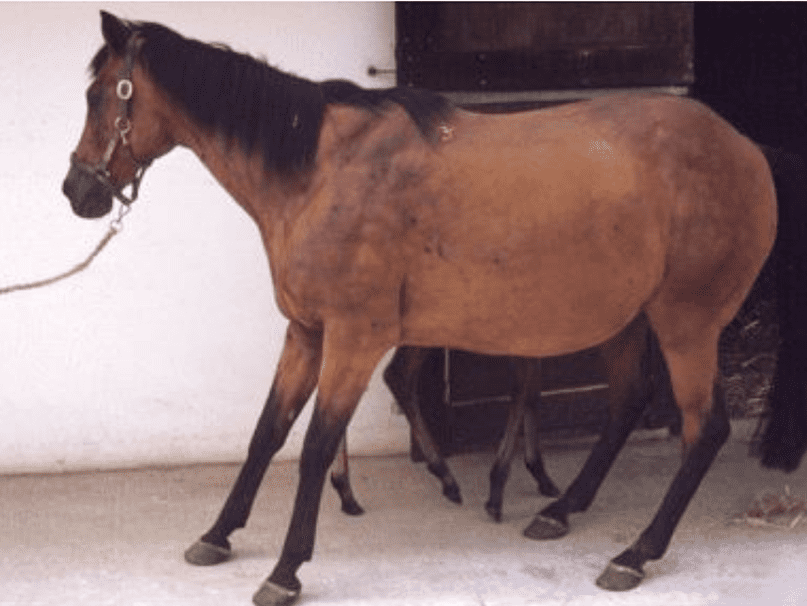
Laminitis Prevention in Horses (UK Guide): Feeding, Gut Health & Management Strategy
Laminitis is one of the most serious and painful conditions affecting horses and ponies. While it can be triggered by stress, endocrine disease, or mechanical overload, the most common and preventable form is nutritionally induced laminitis.
This guide explains how laminitis develops, the role of diet and gut health, and the most effective long-term management strategies for prevention.
What Causes Laminitis in Horses?
Nutritionally induced laminitis occurs when a horse consumes excessive non-structural carbohydrates (NSCs), primarily:
Sugars
Starches
Rapidly fermentable carbohydrates
When intake exceeds the digestive capacity of the small intestine:
Excess carbohydrates pass into the hindgut
The gut microbiome becomes disrupted
Hindgut acidity increases
Beneficial bacteria die off
Toxins are released into the bloodstream
These toxins can affect circulation to the hoof, triggering inflammation in the laminae, the sensitive structures that attach the coffin bone to the hoof wall.
How Laminitis Damages the Hoof
The laminae act as a suspension system inside the hoof capsule. When inflamed or damaged:
Blood flow to the hoof is compromised
The laminae weaken
The coffin bone may rotate or sink
Severe pain and lameness occur
Because of the speed at which damage can progress, prevention is essential.
The Importance of a Low Sugar, Low Starch Diet
Diet is the most important controllable factor in laminitis prevention.
A laminitis-safe diet should be:
High in fibre
Low in sugar
Low in starch
Based primarily on forage
Reducing Carbohydrate Load
To lower risk:
Avoid cereal-heavy or high-starch feeds
Limit molasses and sugary feeds
Control grazing intake carefully
Prioritise forage-based nutrition
Even hay can contain significant levels of sugar depending on growth conditions and cutting time.
Managing Hay for Laminitis Prevention
Hay is essential but must be carefully controlled in laminitis-prone horses.
Best practice includes:
Selecting lower-sugar, later-cut hay where possible
Controlling total daily intake to maintain healthy weight
Avoiding overfeeding rich forage
Soaking Hay
Soaking hay can help reduce soluble sugar content:
Soak to reduce NSCs
Drain thoroughly after soaking
Steam after soaking to improve hygiene and reduce microbial risk
This is especially useful for good-doers and laminitis-prone horses.
Gut Health and Laminitis Risk
A healthy hindgut microbiome is essential for metabolic stability and digestion.
To support gut health:
Feed a high-fibre diet
Avoid sudden dietary changes
Maintain consistent feeding routines
Use fibre-based feeds where appropriate
Consider prebiotics and probiotics if needed
A stable hindgut reduces acidity and helps prevent toxin release associated with laminitis.
Weight Management in Laminitis-Prone Horses
Excess body fat is one of the strongest risk factors for laminitis.
To manage weight effectively:
Adjust feed according to workload
Reduce calories on rest days
Avoid unnecessary concentrates
Monitor body condition score regularly
Obesity increases the risk of insulin resistance, a major contributor to laminitis.
Exercise as a Preventative Tool
Regular controlled exercise supports laminitis prevention by:
Improving insulin sensitivity
Burning excess glucose
Supporting circulation to the hooves
Helping maintain a healthy body condition
Even light daily movement is beneficial for at-risk horses and ponies.
Feeding Routine: Little and Often is Best
Horses are designed to graze continuously. Large meals can overload digestion and destabilise gut bacteria.
Best feeding practice:
Small, frequent meals
Avoid long fasting periods
Provide constant fibre access where appropriate
Maintain consistent daily routines
Spring Grass and Year-Round Laminitis Risk
While spring grass is often linked to laminitis, high-sugar grass can occur at any time of year.
Risk increases during:
Sunny, fast-growing periods
Cool mornings followed by strong sunlight
Fertile or heavily fertilised pasture
Autumn regrowth phases
This means laminitis prevention must be managed year-round, not just seasonally.
Supplements for Laminitis Support
Some laminitis-prone horses may benefit from targeted feed supplements, including:
Prebiotics (support beneficial gut bacteria)
Probiotics (microbial balance support)
Fibre-based balancers
Digestive support supplements
These should always complement, not replace, a controlled low-sugar diet.
Key Laminitis Prevention Checklist
To reduce laminitis risk:
Feed a high fibre, low sugar, low starch diet
Maintain a healthy body condition year-round
Restrict grazing when necessary
Ensure regular exercise and turnout
Manage hay quality and intake carefully
Support hindgut microbiome health
Avoid sudden dietary changes
Final Summary
Laminitis prevention is not based on a single product or seasonal fix—it requires consistent long-term management of diet, weight, and gut health.
By controlling carbohydrate intake, supporting hindgut function, and maintaining correct body condition, horse owners can significantly reduce the risk of laminitis and support long-term hoof health, soundness, and comfort. Browse our full horse care range for products to support your horse’s health and wellbeing.