
Riding Hat Safety Standards and Buying a New Riding Hat in 2026
When it comes to horse riding, purchasing a new riding helmet is one of the most critical safety decisions a rider can make. Modern riding hats are designed to significantly reduce the risk of serious head injuries resulting from falls, kicks, rotational accidents, and crushing incidents involving horses.
Helmet safety is regulated through internationally recognised equestrian safety standards. These standards are established through rigorous laboratory testing conducted by biomechanical engineers and safety specialists who simulate various riding-accident scenarios. Helmets undergo strict pass-or-fail evaluations assessing impact absorption, penetration resistance, retention system strength, and stability during rotational or sideways impacts.
Current Riding Helmet Safety Standards
As of 2026, modern riding helmet manufacturers produce helmets that meet one or more recognised international equestrian safety standards. The most commonly accepted standards include:
- PAS 015:2011 with BSI Kitemark
- VG1 01.040 2014-12
- ASTM F1163 (latest revision) with SEI certification
- Snell E2016
Some helmets may even be certified to multiple standards simultaneously, providing broader eligibility for competitions and higher levels of testing.
**Understanding the Different Standards**
PAS 015:2011
The PAS 015 standard is widely respected in the UK and is accepted across various competition disciplines. Helmets that carry the BSI Kitemark have been independently tested in batches and inspected during manufacturing.
VG1 01.040 2014-12
VG1 is a European standard intentionally designed for equestrian use. This standard is typically seen in lightweight and ventilated riding helmets, gaining acceptance from many governing bodies when it comes with suitable certification marks.
ASTM F1163 with SEI Certification
This American standard is recognised internationally. The SEI certification indicates that helmets are subjected to ongoing independent testing to ensure consistent manufacturing and compliance.
Snell E2016
Snell-certified helmets undergo rigorous testing to meet demanding impact criteria, making them suitable for riders involved in higher-risk disciplines like eventing. They are particularly preferred for their ability to handle multiple strike scenarios and higher-energy impacts.
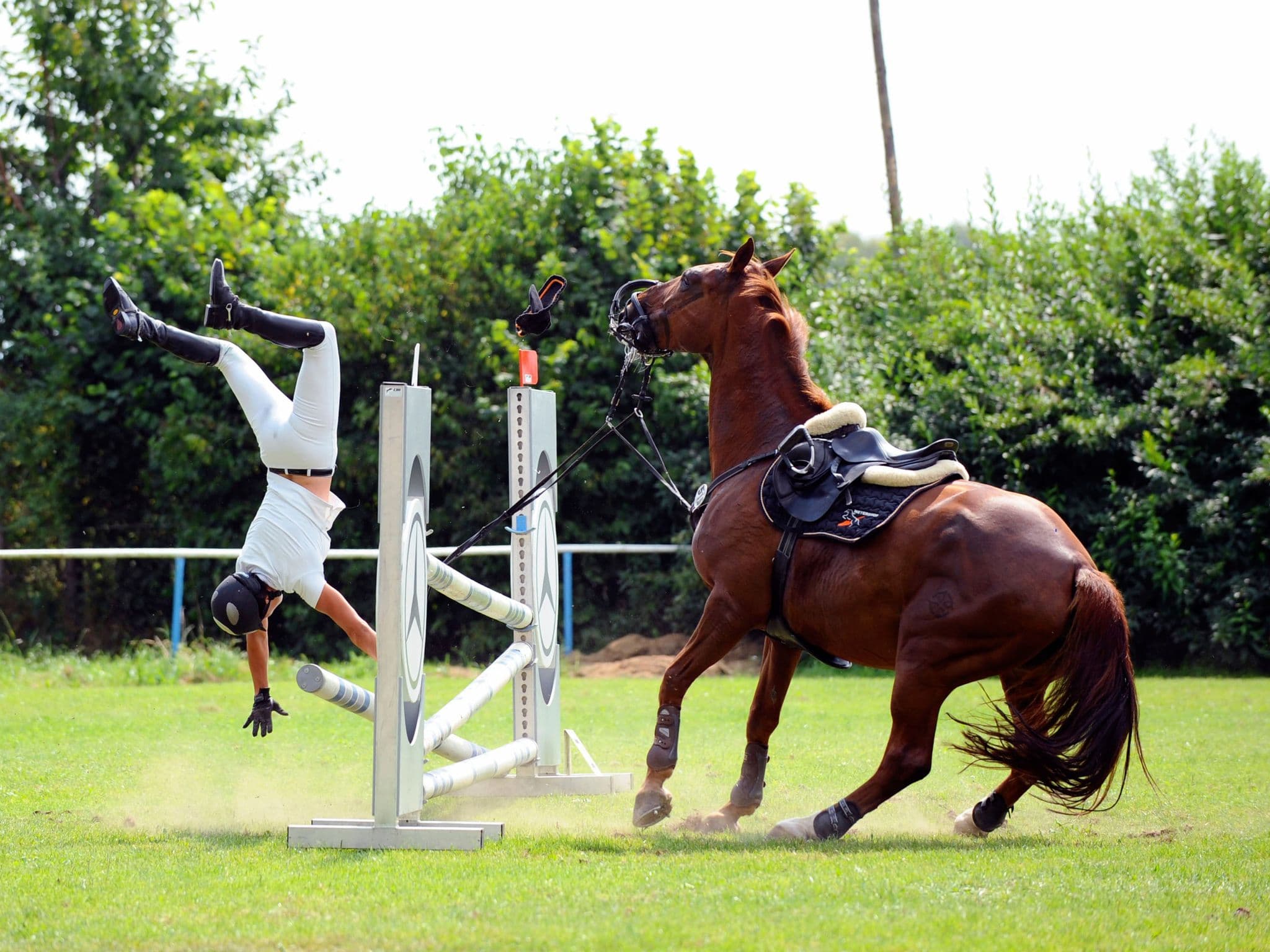
It's important to note that serious accidents can happen in any riding situation. Falls during hacking, flatwork, or even at a walk can lead to significant head injuries; the nature of the landing plays a crucial role, especially if the horse falls or rolls.
Why Horse Riding Helmets Are Different
Helmets for horse riding differ markedly from those designed for cycling, skiing, or motorcycles. Equestrian helmets are specifically crafted to address the unique accident patterns associated with horse riding, including:
- Falls from height
- Rotational impacts
- Crushing or trampling forces
- Side impacts
- Multiple impacts during a fall
Additionally, horse riding helmets come equipped with harness systems that ensure the helmet stays securely positioned amid unpredictable movements.
Riding Hat Standards for UK Competition in 2026
Competition rules are subject to regular updates, so riders must verify the latest guidelines from their governing body before participating.
For British Eventing, Pony Club, British Riding Clubs, and British Team Chasing:
The generally accepted standards include:
- PAS 015:2011 with BSI Kitemark
- VG1 01.040 2014-12 with BSI Kitemark
- ASTM F1163 with SEI mark
- Snell E2016
- Approved AS/NZS 3838 models where applicable
For British Dressage:
Commonly recognised standards include:
- PAS 015:2011
- VG1 01.040 2014-12
- ASTM F1163 with SEI certification
- Snell E2016
Some previously accepted older standards have been phased out, so riders with these helmets should confirm compliance before competing.
For British Showjumping:
Commonly accepted standards feature:
- PAS 015:2011 with BSI Kitemark
- VG1 with BSI Kitemark
- ASTM F1163 with SEI certification
- Snell E2016
Choosing the Best Riding Helmet
The ideal riding helmet should:
- Meet current safety standards
- Fit correctly
- Remain stable during movement
- Be suitable for your riding discipline
- Be comfortable enough for longer wear
A helmet that does not fit properly can significantly compromise safety.
When trying on a riding hat, ensure that:
- The helmet feels snug without creating pressure points
- The harness sits securely beneath the jaw
- The helmet does not rock in any direction
- The helmet remains stable when bending forward or gently shaking the head
Seeking professional fitting from a qualified riding hat specialist is highly recommended.
When Should You Replace a Riding Helmet?
It's essential to replace riding helmets under the following circumstances:
- Immediately after a significant impact or fall
- If the helmet has been dropped heavily onto a hard surface
- When visible signs of wear or damage occur
- After extended exposure to heat or moisture
- Every three to five years, depending on usage
Modern helmets are constructed with materials designed to absorb impact energy. Once these materials are compressed or damaged, even if there is no visible external damage, the helmet may no longer provide the necessary protection.
Modern Advances in Riding Helmet Safety
Many riding helmets available in 2026 incorporate advanced safety technologies, such as:
- Rotational impact protection systems
- Enhanced ventilation
- Lightweight composite shells
- Improved harness retention systems
- Removable and washable linings
- Dial-fit adjustment systems
Premium helmets may also include innovative technologies aimed at reducing rotational forces associated with concussions and traumatic brain injuries.
Final Thoughts
Staying up to date with riding helmet standards is crucial for safety. Governing body requirements evolve with new research, testing methods, and safety technologies. Investing in a high-quality, properly fitted riding helmet is one of the most significant steps any rider can take, whether for competitive or recreational riding.
Browse our full range of Riding Hats & Helmets →