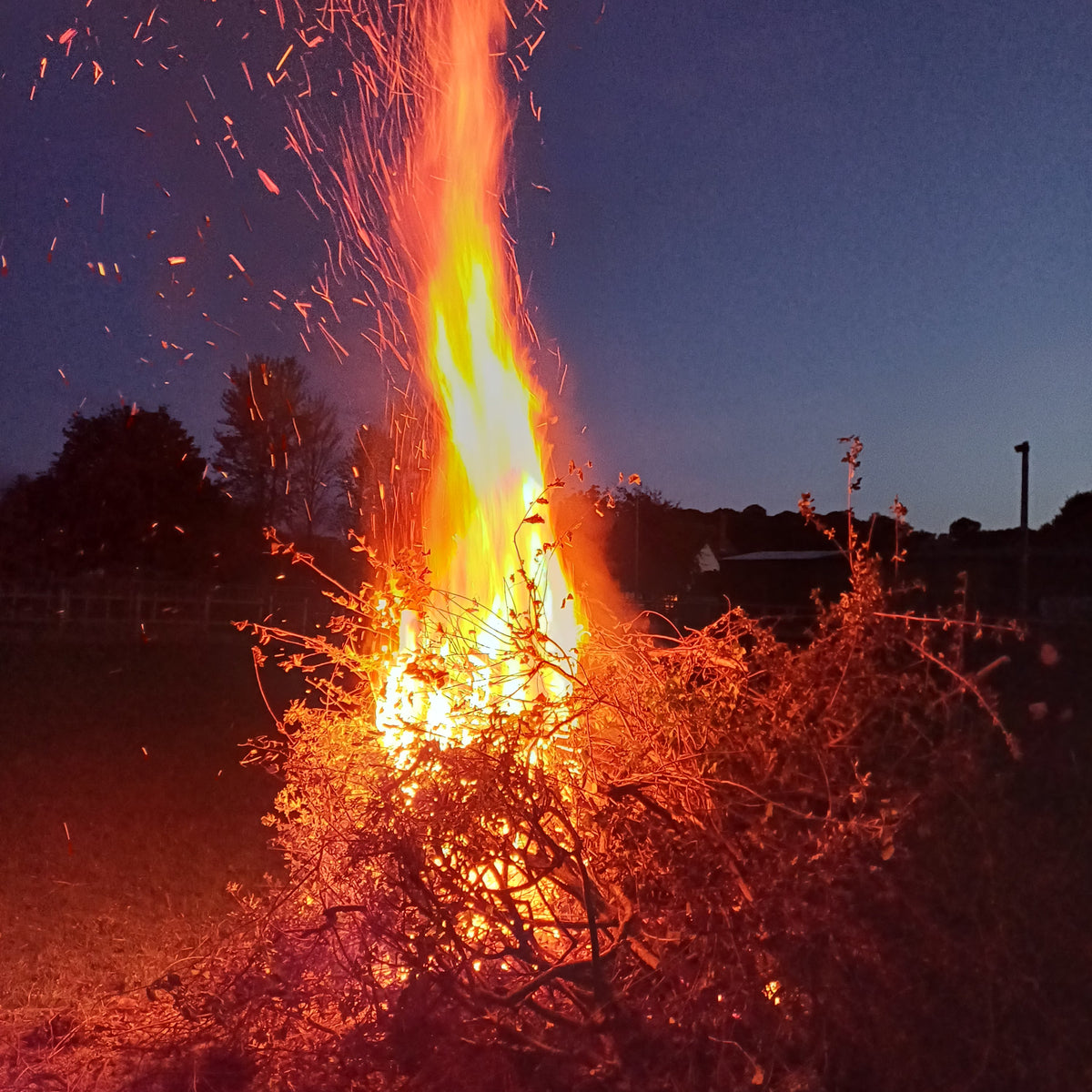
For many people, 5 November is an opportunity to enjoy Bonfire Night and fireworks. For horse owners, however, the weeks surrounding Bonfire Night can bring considerable concern. Sudden bangs, whistling rockets, bright flashes and the smell of smoke can frighten even normally calm horses, potentially causing panic, escape attempts and serious injury.
Fireworks are particularly challenging because horses are prey animals. Their natural response to a perceived threat may be to flee, and an unexpected noise or flash can trigger a rapid reaction before the horse has time to assess what is happening.
At Saddlemasters, horse comfort and welfare are central to good equestrian management. While it is not possible to eliminate every risk during fireworks season, preparation, a suitable management plan and careful observation can help reduce the likelihood of stress and injury.
The most effective approach is to prepare early, keep your horse's routine as consistent as possible and make decisions based on your individual horse and its surroundings.
1. Why are horses frightened by fireworks?
Horses rely on their senses to identify potential danger. Their ability to react quickly is essential to survival in the wild, but this can make sudden, unfamiliar noises and flashes particularly unsettling.
Fireworks can produce several sources of stress at once:
-
Sudden, unpredictable noise: Explosions may occur without warning, with varying intensity and duration.
-
Bright flashes: Changes in light can startle a horse, particularly in a dark stable or field.
-
Whistling and hissing sounds: The noise before an explosion may be as unsettling as the bang itself.
-
Smoke and unfamiliar smells: These can add to the horse's uncertainty.
-
Repeated disturbances: Fireworks may continue for hours and can occur on several evenings before and after 5 November.
A frightened horse may become restless, sweat, pace, snort, tremble, kick out, bolt or attempt to escape. Some horses become very vocal, while others show less obvious signs of distress.
A horse that appears quiet is not necessarily relaxed. Watch its behaviour, posture, breathing and response to its surroundings rather than judging its condition from one sign alone.
The consequences can be serious. A horse may run into fencing, strike stable walls, become entangled in equipment or injure itself while attempting to escape. The British Horse Society has recorded numerous firework-related incidents involving equine injuries and fatalities.
2. Start preparing before Bonfire Night
Do not wait until the evening of 5 November to consider how your horse will cope. Fireworks may be set off on surrounding dates, including at private garden displays, weddings and other celebrations.
Find out what is happening locally
Contact nearby neighbours, check local announcements and ask your parish council or local event organisers about planned displays.
If a display is taking place nearby, explain that horses are kept in the area. Ask organisers whether they can provide advance notice of the timings and consider moving the display further away, directing it away from horses or using quieter alternatives.
A calm conversation with neighbours can make a significant difference. Many people may not realise how severely fireworks can affect horses.
Review your horse's previous reactions
Think about how your horse responded in previous years.
-
Did it remain settled in the stable?
-
Was it calmer in a familiar field with companions?
-
Did it sweat, pace, kick the stable walls or try to escape?
-
Were the fireworks close by, or was the horse affected by distant displays?
-
Did the horse settle quickly afterwards, or remain anxious?
This information can help you plan more effectively. If your horse has previously panicked, injured itself or become extremely distressed, speak to your veterinary surgeon well before fireworks season.
Prepare the yard and field
Check the environment for hazards that could cause injury if the horse becomes frightened.
Inspect stable doors, latches, fencing, gates and field boundaries. Repair loose boards, protruding nails and damaged fencing, and remove sharp objects or unnecessary equipment.
In stables, check for slippery flooring, items that could fall, and equipment in which a horse might become caught. Keep escape routes clear and review the yard's emergency and fire evacuation arrangements.
Also clear unnecessary combustible material from around stables, including accumulated rubbish and unused hay or straw. Fireworks and stray embers can create a fire risk as well as frightening horses.
3. Should you stable your horse or leave it in the field?
This is one of the most common questions horse owners ask before Bonfire Night. There is no single answer that suits every horse.
Some horses feel more secure in their familiar stable, while others are more settled outdoors with space to move and familiar companions nearby. Both environments can present risks if the horse panics.
When stabling may be appropriate
A stable may be the better option when your horse is accustomed to being stabled, the building is secure and the horse normally settles indoors.
Before the evening:
-
Check the stable door, fastenings and internal fittings.
-
Remove equipment that could cause injury if the horse becomes agitated.
-
Ensure the floor provides secure footing.
-
Keep the stable well ventilated.
-
Consider leaving the normal stable lighting on to reduce the contrast created by bright flashes.
-
Introduce any background music in advance, at a comfortable volume.
Some horses may become more distressed if confined during a frightening event, particularly if they have a history of kicking, rearing or attempting to climb over stable doors. A stable should not automatically be considered the safest choice simply because it is enclosed.
When turnout may be appropriate
A familiar field may be preferable for a horse that normally lives outdoors and becomes unsettled when confined.
If you choose turnout:
-
Use a field with secure, well-maintained boundaries.
-
Check gates and fencing before the fireworks begin.
-
Avoid fields close to a planned display or where stray fireworks may land.
-
Remove or identify obvious hazards, such as broken fencing, exposed wire or debris.
-
Consider whether the horse has calm, familiar companions.
-
Make sure there is a realistic plan for monitoring the horses.
A field gives a horse more space to move, but a frightened horse can build up speed, run into fencing or attempt to escape. A larger field is not automatically safer if its boundaries or surroundings are unsuitable.
Make the decision for your horse
Consider your horse's usual management, previous reactions, the condition of the stable or field, the proximity of fireworks and whether reliable supervision is available.
Avoid making a last-minute change to a horse's routine without a clear reason. A horse that is unfamiliar with being stabled may become more anxious if suddenly confined, while a horse that normally lives indoors may not cope well with unexpected turnout.
If you are unsure, discuss the options with your yard owner and veterinary surgeon before the event. The British Horse Society advises owners to assess the individual horse and the safety of its surroundings rather than assuming that either stabling or turnout is always safer.
4. Can you help desensitise a horse to fireworks?
Some horses can become more comfortable with unfamiliar noises through gradual, carefully managed exposure. However, desensitisation needs to be introduced well in advance and should not be attempted by suddenly exposing a frightened horse to loud recordings or real fireworks.
A horse that is already anxious may become more fearful if the exposure is too intense.
Introducing firework sounds gradually
If you decide to use recordings:
-
Begin well before Bonfire Night, when there is no immediate firework disturbance.
-
Play the sound at a very low volume in a familiar environment.
-
Observe the horse's body language and behaviour.
-
Keep the exposure brief and stop if the horse becomes worried.
-
Increase the volume gradually only if the horse remains relaxed.
-
Repeat at a pace that suits the individual horse rather than following a rigid timetable.
The aim is to help the horse remain comfortable in the presence of a low-level sound, not to make it endure something frightening.
Do not use real fireworks as a training method. Avoid sudden loud exposure, and do not assume that a horse that tolerates recordings will necessarily remain calm when confronted with the unpredictability of a real display.
If your horse has a severe fear response, seek advice from an experienced equine behaviour professional and your veterinary surgeon.
5. Can music help calm a horse during fireworks?
Music or steady background sound may help mask some of the sudden changes in noise, particularly when a horse is inside a familiar stable or barn.
However, it is not a guaranteed solution and will not completely block the sound of nearby fireworks.
If you want to use music:
-
Introduce it during normal yard routines before fireworks season.
-
Choose a consistent, moderate volume.
-
Position the sound source safely, away from the horse's reach.
-
Avoid suddenly switching on loud music when the horse is already distressed.
-
Check that the horse is comfortable with the sound.
A familiar radio programme or steady background music may be preferable to silence interrupted by sudden bangs. The purpose is to soften the contrast between background noise and fireworks, not to drown everything out at a volume that creates another source of stress.
6. What should you do on the evening of 5 November?
A clear plan can help reduce unnecessary disturbance and make it easier to respond if a horse becomes unsettled.
Keep the normal routine
Where possible, feed, groom, turn out or stable your horse at its usual times. Familiar routines and surroundings may help reduce additional stress.
Avoid unnecessary changes to feed, turnout arrangements or companionship immediately before the event.
Remain calm and work safely
Horses can react to the behaviour of people around them. Remaining calm and predictable can help, but it does not guarantee that a frightened horse will settle.
If you need to check or handle your horse, do so only when it is safe. Do not put yourself in a confined space with a horse that is rearing, kicking or bolting, and do not attempt to physically restrain a panicking horse at close quarters.
If your horse is in a secure environment and is showing signs of fear, avoid adding to the disturbance by shouting, rushing around or repeatedly entering and leaving the stable.
Arrange responsible supervision
If several horses are kept on the yard, agree who will check them and when. Make sure everyone understands the plan, knows where the emergency contacts are kept and knows how to raise the alarm if a horse is injured or a fire starts.
Avoid relying on someone who is unfamiliar with the horses to manage a severe panic reaction alone.
Avoid riding during nearby displays
Do not ride or hack while fireworks are being set off nearby, particularly in darkness or on roads. Even a normally sensible horse may react unpredictably to sudden bangs and flashes, putting the rider, horse and other road users at risk.
Plan exercise around known displays and use a safer alternative if there is a realistic chance of fireworks starting during your ride.
7. Should you use calming supplements, sedatives or other treatments?
Products marketed for calming horses vary in their ingredients and evidence of effectiveness. They should not be assumed to prevent a horse from panicking when frightened by fireworks.
If your horse has a history of severe anxiety, discuss a plan with your veterinary surgeon well before Bonfire Night. Your vet can assess the horse's individual circumstances and advise whether any treatment is appropriate.
Never give human medication, use leftover prescription medicines or administer sedatives without veterinary direction. Medication can affect coordination, alertness and behaviour, and may introduce additional risks if used incorrectly.
Do not rely on a supplement or medication as a substitute for secure surroundings, careful planning and appropriate supervision.
8. What if your horse panics?
Your response should prioritise human safety and avoid escalating the situation.
-
Keep a safe distance from a horse that is kicking, rearing or bolting.
-
Do not enter a stable if doing so would put you in the horse's path.
-
Do not attempt to grab or restrain a loose, panicking horse unless it is safe to do so and you are appropriately experienced.
-
Keep other people and horses away from immediate hazards where possible.
-
Contact the yard manager and veterinary surgeon if the horse is injured, shows signs of severe distress or does not settle.
-
If there is a fire or immediate threat to people or animals, follow the yard's emergency plan and contact the emergency services as appropriate.
A horse that has run into fencing, struck a wall or become entangled may have injuries that are not immediately obvious. Do not assume that it is unharmed because it appears to settle afterwards.
If a horse is injured, trapped or showing signs of serious distress, seek veterinary assistance promptly.
9. Check your horse after the fireworks have finished
Do not assume the risk ends when the noise stops.
Once it is safe, check the horse carefully for cuts, swelling, lameness, damaged tack or rugs, and signs that it has struck a stable wall or fence.
Inspect the stable and field for broken fencing, loose fittings, firework debris and other hazards. Check water troughs and feeding areas for debris that could contaminate them.
If your horse is lame, bleeding, breathing abnormally, showing persistent distress or behaving unusually, contact your vet. Some injuries or health problems may become more apparent after the immediate excitement has passed.
If your horse is involved in a firework-related incident, consider reporting it through the British Horse Society’s incident report form. Sharing what happened can help build a clearer picture of how fireworks affect horses and their owners.
10. How neighbours and event organisers can help protect horses
Horse owners should not have to manage every risk alone. People organising fireworks displays can make a meaningful difference by considering nearby horses before choosing a site or setting a time.
If you are speaking to neighbours or local organisers, ask them to:
-
Provide advance notice of the date and approximate duration.
-
Choose a display location well away from stables, fields and livestock.
-
Direct fireworks away from horses and other animals.
-
Consider low-noise fireworks, light shows or other alternatives.
-
Avoid setting off fireworks unexpectedly close to equestrian premises.
-
Clear up firework debris safely once it has cooled.
If you are planning a private display, choose a location well away from horses and other animals, and let nearby owners know in advance so they can prepare. For ideas that may reduce disturbance to animals, explore the RSPCA’s alternatives to fireworks.
Conclusion: preparation is the best protection
Fireworks can be frightening for horses because the noise and flashes are sudden, unpredictable and difficult for them to understand. The resulting panic can cause serious injury, even in horses that are normally calm and confident.
Owners can reduce the risks by finding out about local displays early, checking stable and field safety, maintaining familiar routines and choosing the environment that best suits the individual horse. Gradual sound familiarisation may help some horses, while calm background music and responsible supervision can support an appropriate management plan.
Above all, do not assume that every horse is safer in a stable, that every horse should be turned out or that a calming product will prevent panic. Assess your horse's previous behaviour and its surroundings, and seek veterinary advice if it has a history of severe reactions.
With early preparation and consideration from neighbours and event organisers, it is possible to make Bonfire Night safer for horses and the people responsible for their care.